
Sandra Yu
What makes psychotherapy culturally responsive? A scoping review of cultural adaptations and therapeutic processes.
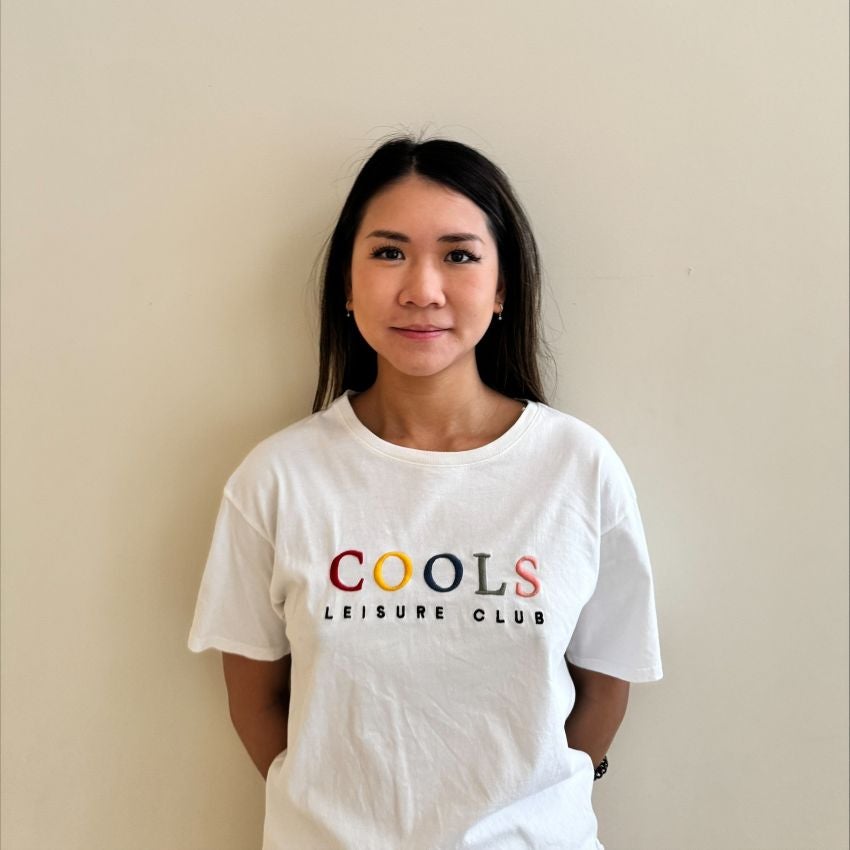 Sandra is a mental health clinician and social worker working within a community mental health team at Gold Coast Health. Originally from Hong Kong, she migrated to Australia nearly 10 years ago and has more than 4 years of experience working in mental health with people from culturally and linguistically diverse (CALD) backgrounds.
She has a particular interest in mental health and psychotherapy within the CALD communities. Her migration experience, together with her understanding of both Western and Chinese cultural perspectives, has contributed to her awareness of how culture shapes the understanding of mental health, engagement with services, and experience of psychotherapy. This has also shaped her interest in the gaps and ongoing development of culturally responsive mental health practice in Australia.
Her research interest developed from recognising that clinicians, regardless of their own cultural background, need to continually develop cultural humility and remain aware of how cultural differences may influence the therapeutic process. Rather than viewing a particular psychotherapy modality as appropriate for a particular cultural group, Sandra became interested in whether different evidence-based psychotherapies share common cultural adaptations and therapeutic processes to support culturally responsive practice.
Her research therefore explores the cultural adaptations and therapeutic processes shared across evidence-based psychotherapies when working with CALD populations. This research has reinforced her interest in culturally responsive practice that approaches clients with curiosity rather than assumption and considers their individual cultural, family, social and migration contexts.
In her future psychotherapy practice, Sandra hopes to apply these principles through greater cultural humility, flexibility and awareness of how broader contexts influence clients’ experiences. More broadly, the research highlights opportunities for further transcultural psychotherapy research in Australia and the continued development of culturally responsive mental health services. Sandra also believes clinicians working with CALD clients, particularly immigrant and refugee populations, should remain informed about migration and resettlement contexts, as these experiences may influence engagement, trust, and therapeutic relationship building.